Nowruz (نوروز)
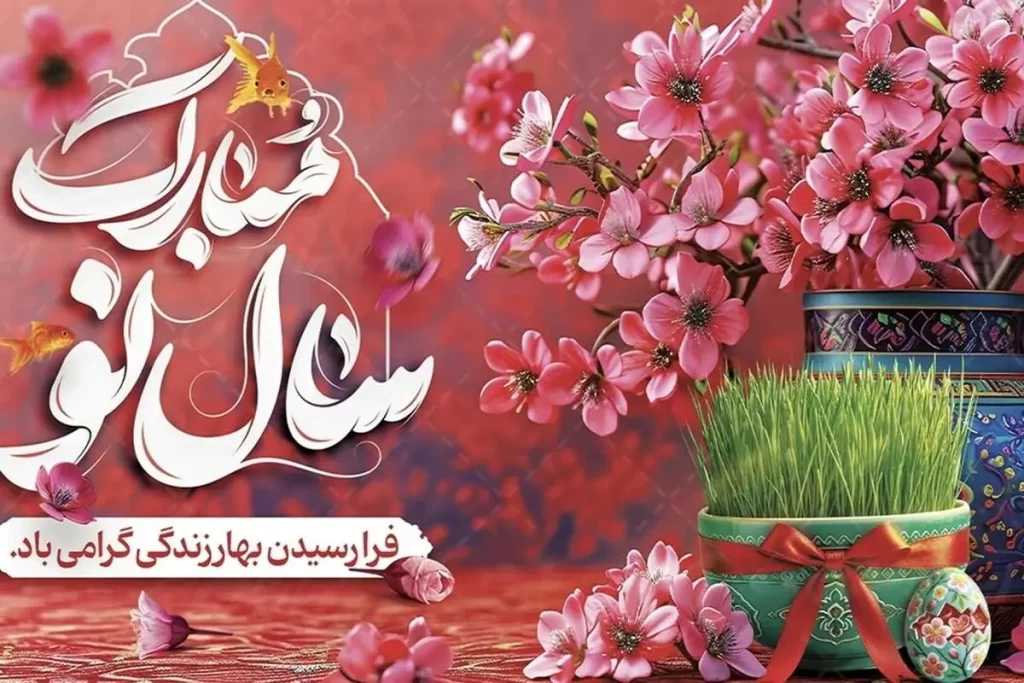
Nowruz, the Persian New Year, is one of the most significant celebrations in Iran, marking the arrival of spring and the renewal of nature. It usually falls on the vernal equinox, around March 21. Families prepare for this festival by cleaning their homes, buying new clothes, and setting up a Haft-Seen table, which includes seven symbolic items starting with the letter “S.” Nowruz is a time for family gatherings, feasting, and exchanging gifts, embodying the spirit of renewal and hope.
Taârof (تعارف)
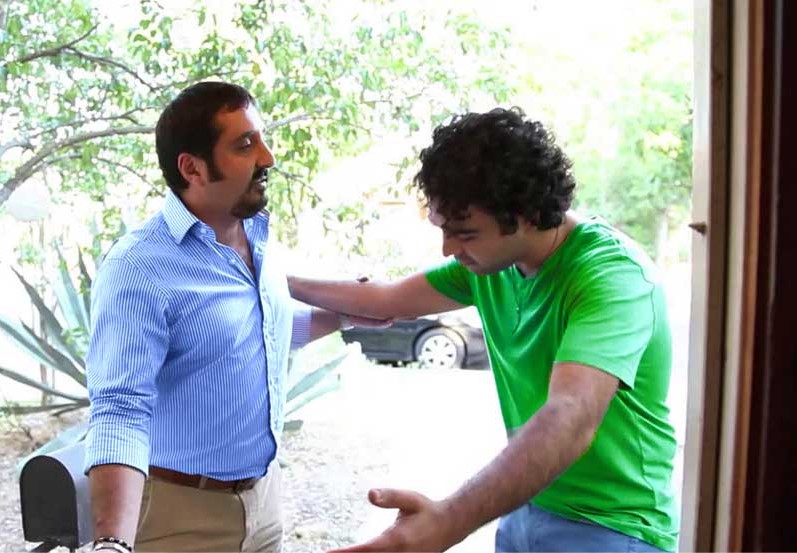
Taârof is a unique cultural practice in Iran that involves a complex system of politeness and social etiquette. It often includes offering and declining invitations or gifts multiple times before accepting. This custom reflects the Iranian values of hospitality and respect, emphasizing the importance of social relationships. Taarof can sometimes lead to misunderstandings, especially for those unfamiliar with the cultural nuances.
Yalda Night (شب یلدا)
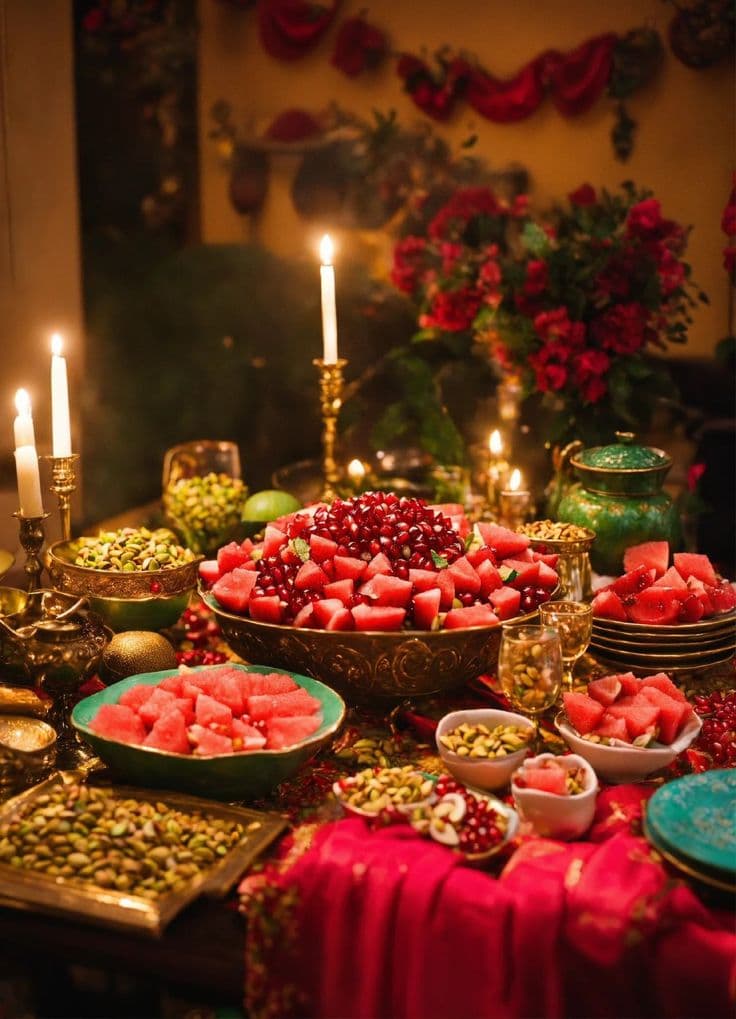
Yalda Night, or Shab-e Yalda, is celebrated on the longest night of the year, marking the winter solstice. Families gather to share stories, recite poetry, and enjoy seasonal fruits, particularly pomegranates and watermelons. The night symbolizes the victory of light over darkness and the arrival of longer days. It is a time for family bonding and cultural reflection, emphasizing the importance of togetherness.
Sadeh (سده)
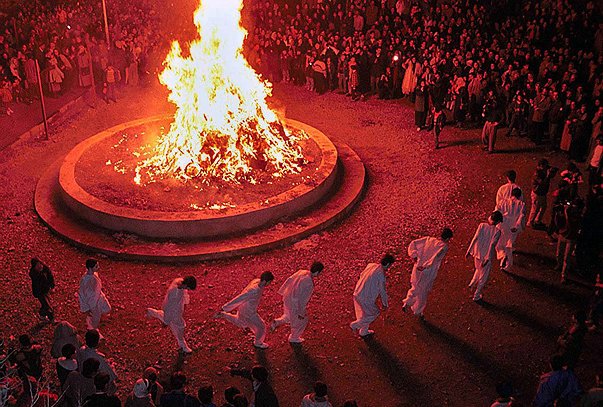
Sadeh is an ancient Persian festival celebrated 50 days before Nowruz, marking the arrival of spring. It is a fire festival that symbolizes the defeat of darkness and the celebration of light. People gather around large bonfires, sing songs, and dance. Traditionally, Sadeh is a time for community bonding and expressing gratitude for the warmth and light of fire, which is considered sacred in Zoroastrianism.
Mehregan (مهرگان)
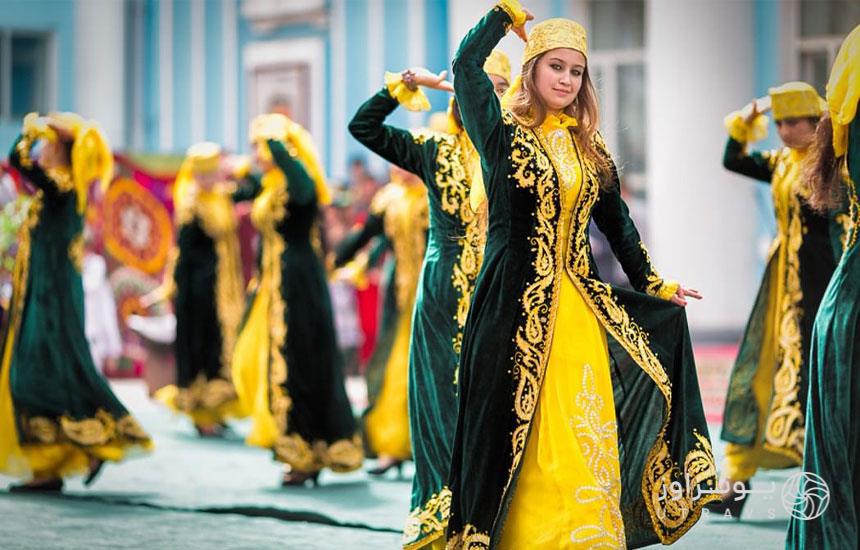
Mehregan is another ancient Persian festival that celebrates the harvest and the beauty of nature. It is held in autumn, usually in October, and is dedicated to the goddess of love and friendship, Mehr. Families gather to share meals, exchange gifts, and express gratitude for the blessings of the year. The festival emphasizes the importance of love, friendship, and harmony in human relationships.
Chaharshanbe Suri (چهارشنبهسوری)
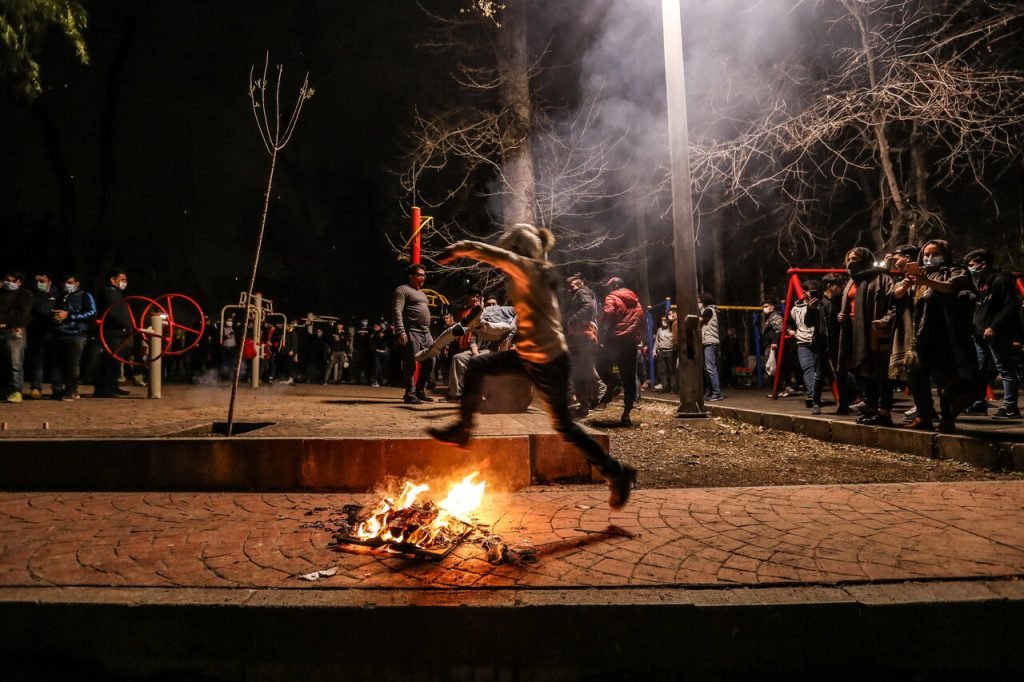
Chaharshanbe Suri, or the Festival of Fire, is celebrated on the eve of the last Wednesday before Nowruz. People jump over bonfires to symbolize purification and the shedding of the old year’s misfortunes. The festival is filled with joy, music, and dancing, as families and friends gather to celebrate together. It is a vibrant expression of hope and renewal, marking the transition from winter to spring.
Ashura (عاشورا)
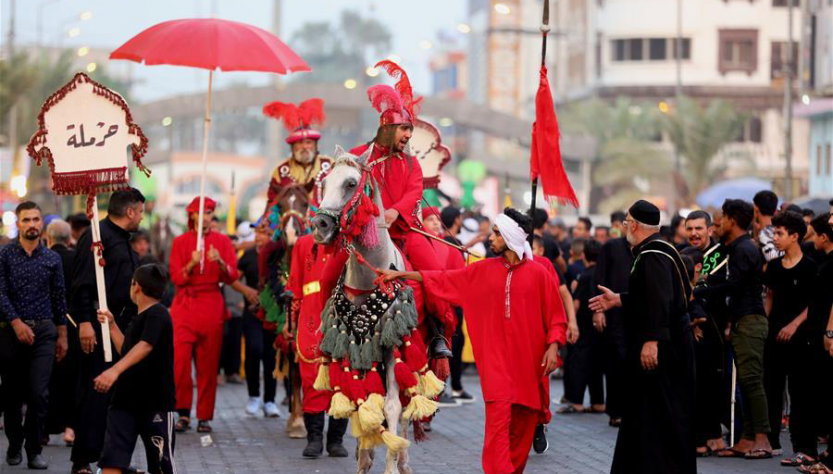
Ashura is observed on the 10th day of Muharram and is a day of mourning for Shia Muslims, commemorating the martyrdom of Imam Hussein at the Battle of Karbala. The day is marked by various rituals, including mourning processions, recitations of elegies, and communal meals. Ashura serves as a reminder of the struggle against oppression and injustice, and it plays a crucial role in shaping the identity and values of the Shia community.
Haft-Seen (هفتسین)
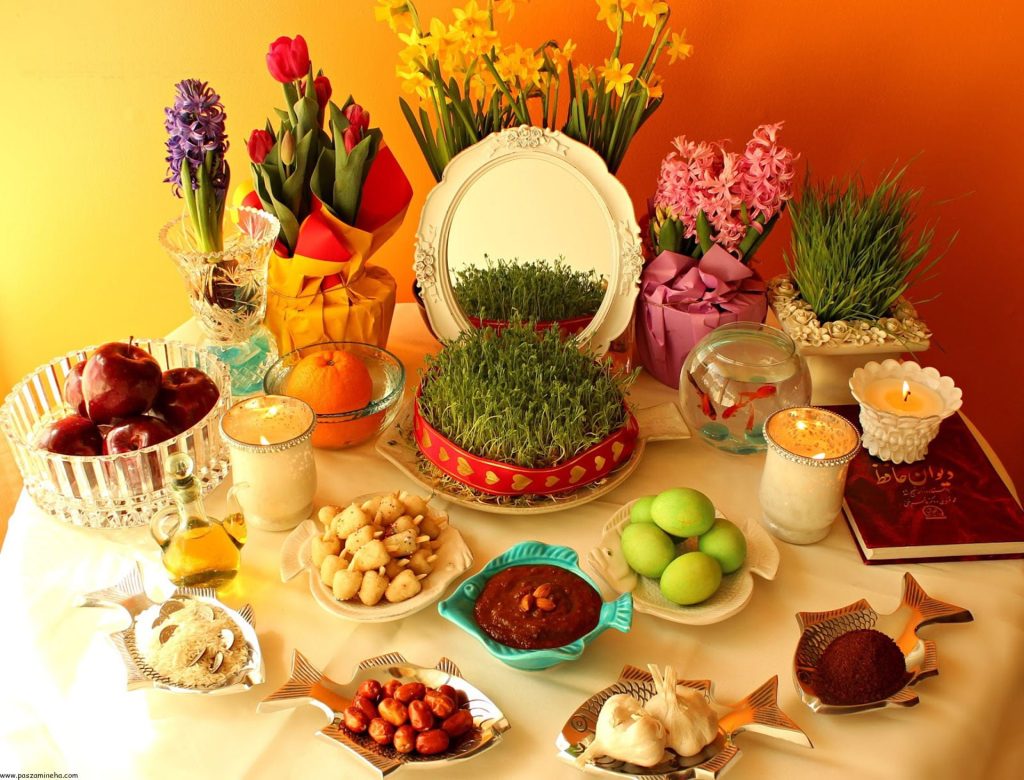
Haft-Seen is a traditional table setting that is prepared for Nowruz, featuring seven items that start with the Persian letter “S.” Each item symbolizes a different aspect of life and nature, such as health, wealth, and rebirth. Common items include sabzeh (sprouted wheat), samanu (sweet pudding), and seer (garlic). The Haft-Seen table is a focal point of the Nowruz celebration, representing the hopes and wishes for the new year.