Iran’s Geography (جغرافیای ایران)
Iran, located in Western Asia, is the second-largest country in the Middle East and the 18th largest in the world. It covers an area of approximately 1.65 million square kilometers, making it a significant player in regional geopolitics. The country’s diverse geography includes mountains, deserts, forests, and coastal areas, contributing to its rich natural resources and varied climate.
Climate Diversity (تنوع آب و هوایی)
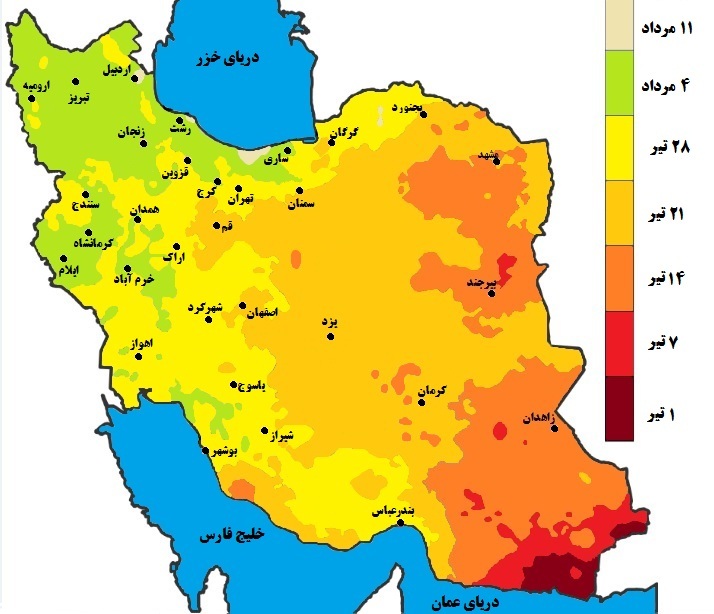
Iran’s climate is diverse, ranging from arid and semi-arid in the central and southern regions to temperate in the northern areas. The coastal regions along the Caspian Sea experience a humid climate, while the interior deserts are characterized by extreme temperature variations. This climatic diversity allows for a wide range of agricultural products and influences the lifestyle of the inhabitants.
Deserts and Arid Regions (بیابانها و مناطق خشک)
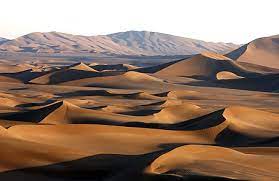
Iran is home to several major deserts, including the Dasht-e Kavir and Dasht-e Lut. The Dasht-e Kavir, also known as the Great Salt Desert, is characterized by salt flats and rugged terrain. The Dasht-e Lut, recognized as one of the hottest places on Earth, features vast sand dunes and unique geological formations. These arid regions significantly influence the lifestyle and economy of the people living in and around them.
Forests and Green Areas (جنگلها و مناطق سبز)
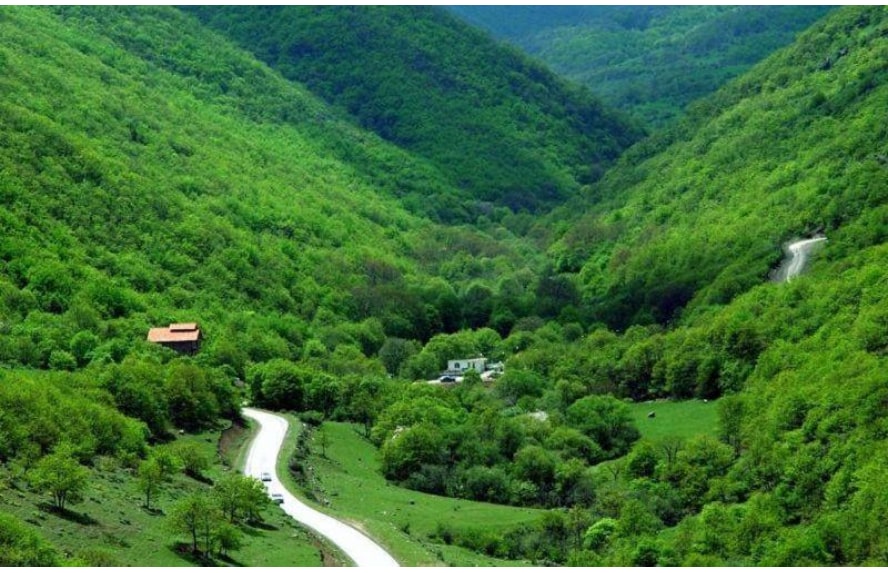
In contrast to its arid regions, Iran also boasts lush forests, particularly in the northern part of the country along the Caspian Sea. The Hyrcanian forests, a UNESCO World Heritage site, are home to diverse flora and fauna, including many endemic species. These forests play a vital role in maintaining ecological balance and provide resources for local communities.
Water Resources (منابع آبی)
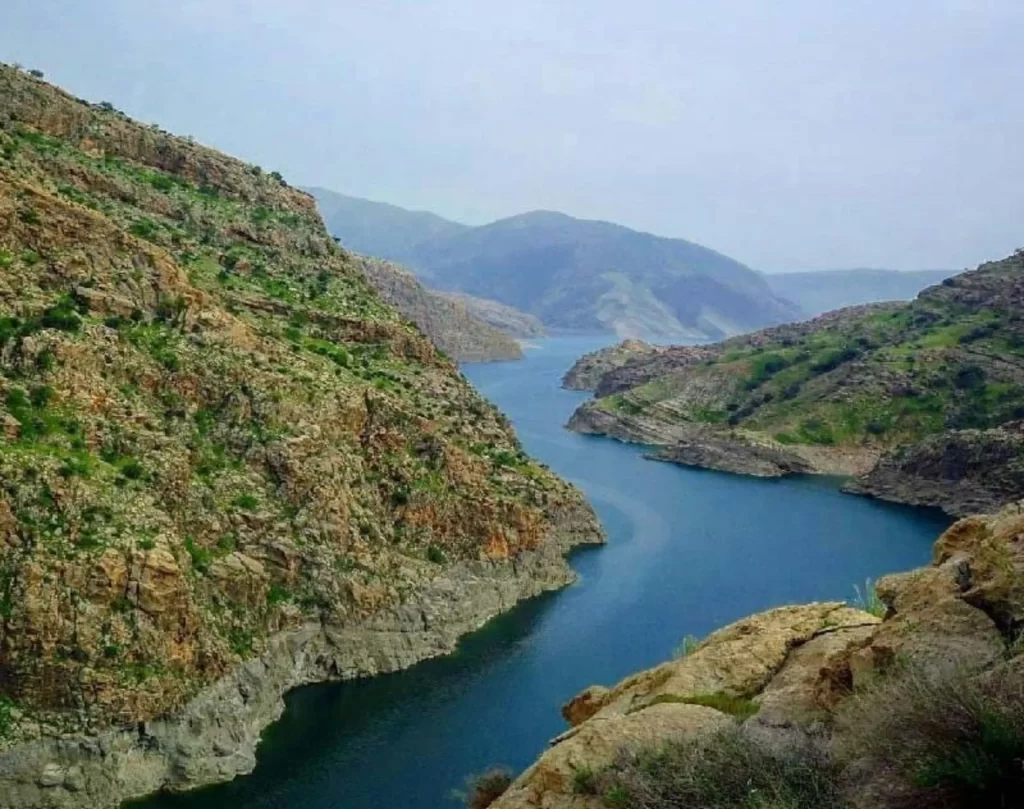
Iran has several major rivers, including the Karun, Zayandeh Rud, and Karkheh, which are crucial for irrigation and agriculture. The Karun River, the longest river in Iran, flows through the southwestern region and is vital for the economy of Khuzestan province. However, water scarcity has become a significant issue in recent years due to over-extraction and climate change, impacting agriculture and daily life.
Neighboring Countries (کشورهای همسایه)
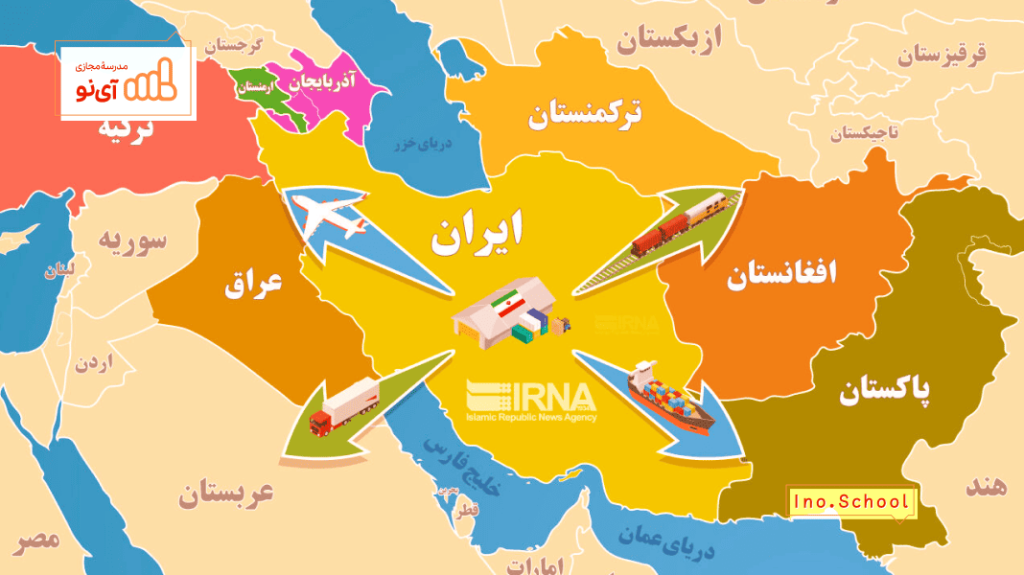
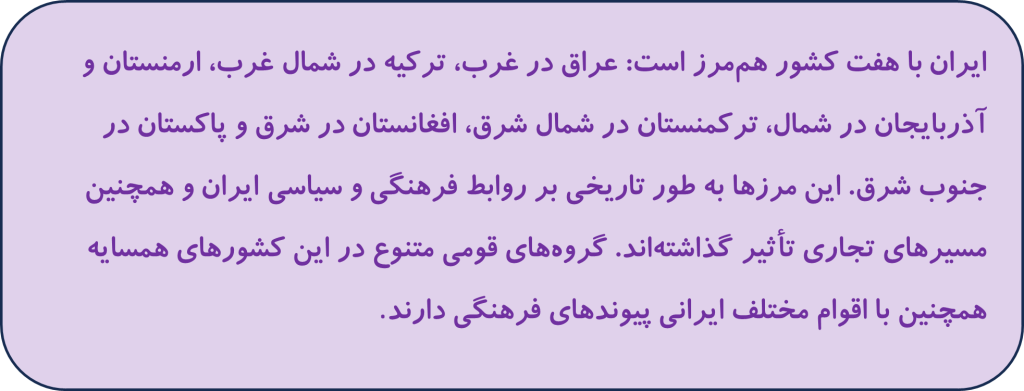
Iran shares borders with seven countries: Iraq to the west, Turkey to the northwest, Armenia and Azerbaijan to the north, Turkmenistan to the northeast, Afghanistan to the east, and Pakistan to the southeast. These borders have historically influenced Iran’s cultural and political relationships, as well as trade routes. The diverse ethnic groups in these neighboring countries also share cultural ties with various Iranian ethnicities.
Geopolitical Significance (اهمیت ژئوپولیتیکی)
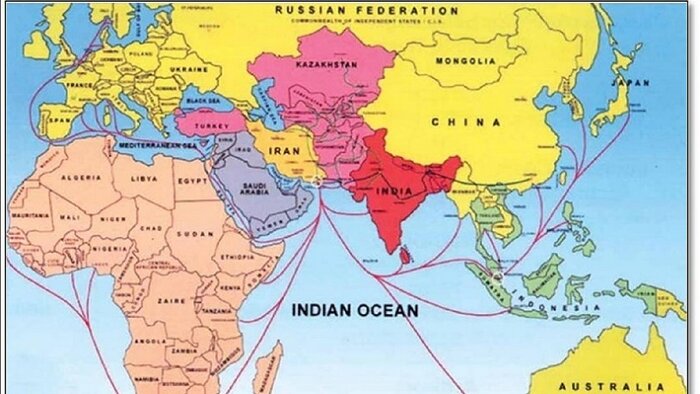
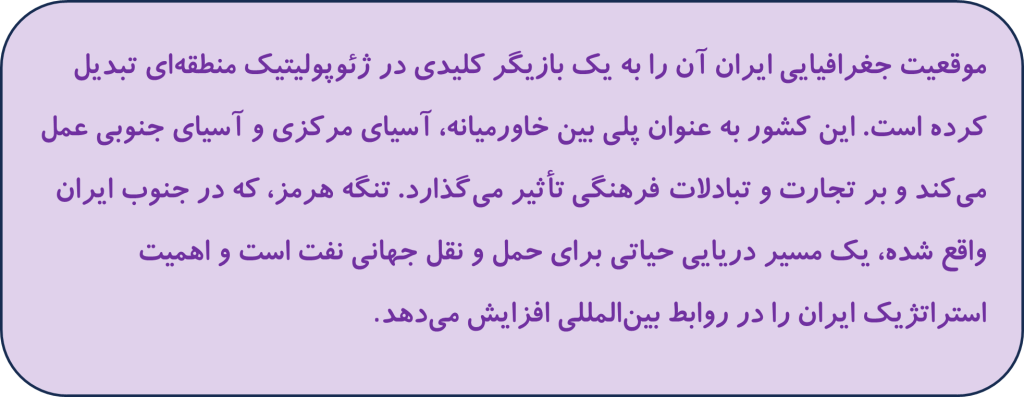
Iran’s geographical location makes it a key player in regional geopolitics. It serves as a bridge between the Middle East, Central Asia, and South Asia, influencing trade and cultural exchanges. The Strait of Hormuz, located to the south of Iran, is a critical maritime route for global oil transportation, further enhancing Iran’s strategic importance in international relations.
Natural Resources (منابع طبیعی)
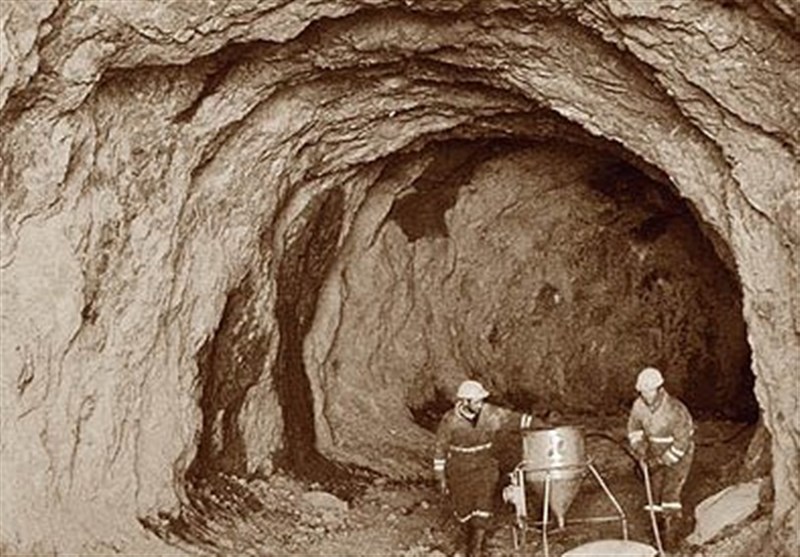
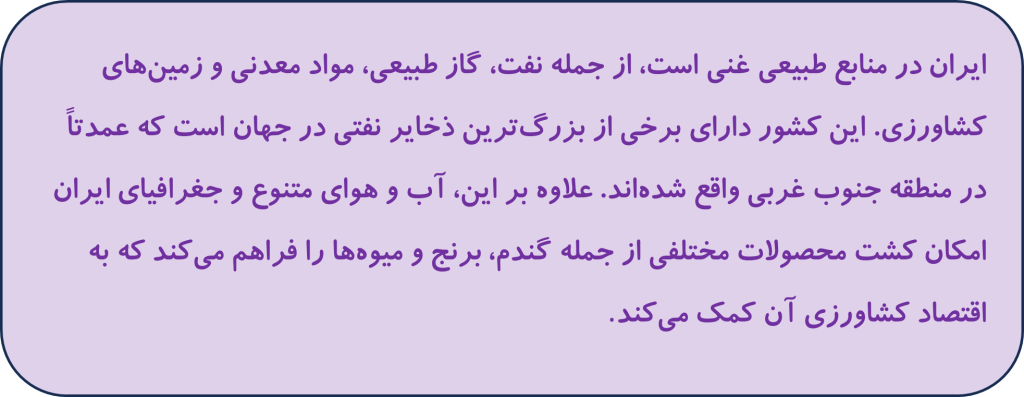
Iran is rich in natural resources, including oil, natural gas, minerals, and agricultural land. The country has some of the largest oil reserves in the world, primarily located in the southwestern region. Additionally, Iran’s diverse climate and geography allow for the cultivation of various crops, including wheat, rice, and fruits, contributing to its agricultural economy.
Environmental Challenges (چالشهای زیستمحیطی)
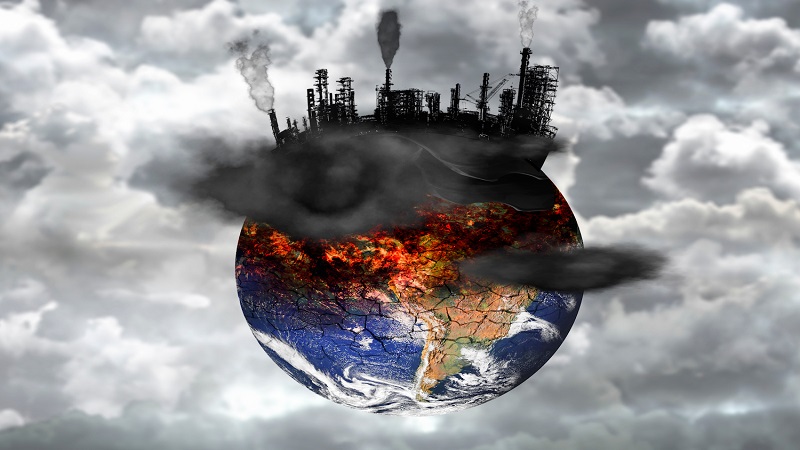
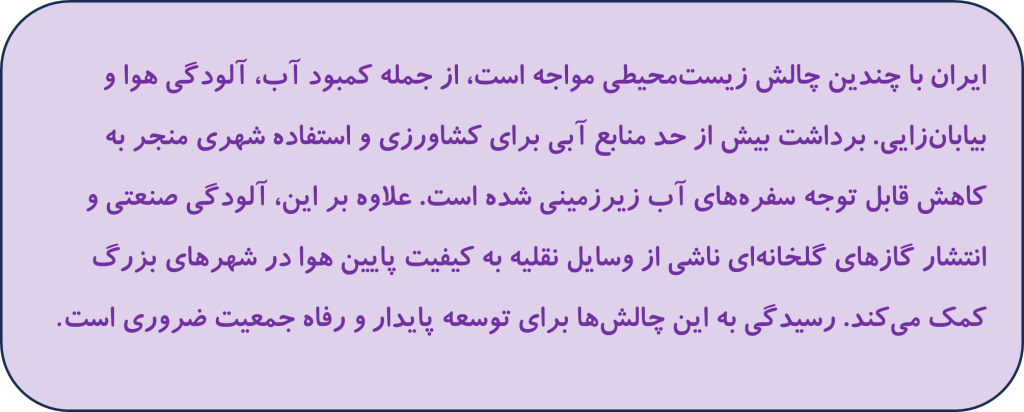
Iran faces several environmental challenges, including water scarcity, air pollution, and desertification. Over-extraction of water resources for agriculture and urban use has led to significant depletion of aquifers. Additionally, industrial pollution and vehicle emissions contribute to poor air quality in major cities. Addressing these challenges is crucial for sustainable development and the well-being of the population.
Cultural Heritage Sites (محلهای میراث فرهنگی)
Iran is home to numerous UNESCO World Heritage Sites that reflect its rich history and cultural heritage. Notable sites include Persepolis, the ancient capital of the Achaemenid Empire, and the historic cities of Yazd and Isfahan, known for its stunning Islamic architecture. These sites attract tourists from around the world and serve as a testament to Iran’s historical significance and cultural diversity.
Iran’s Cities and provinces (شهرها و استانهای ایران)
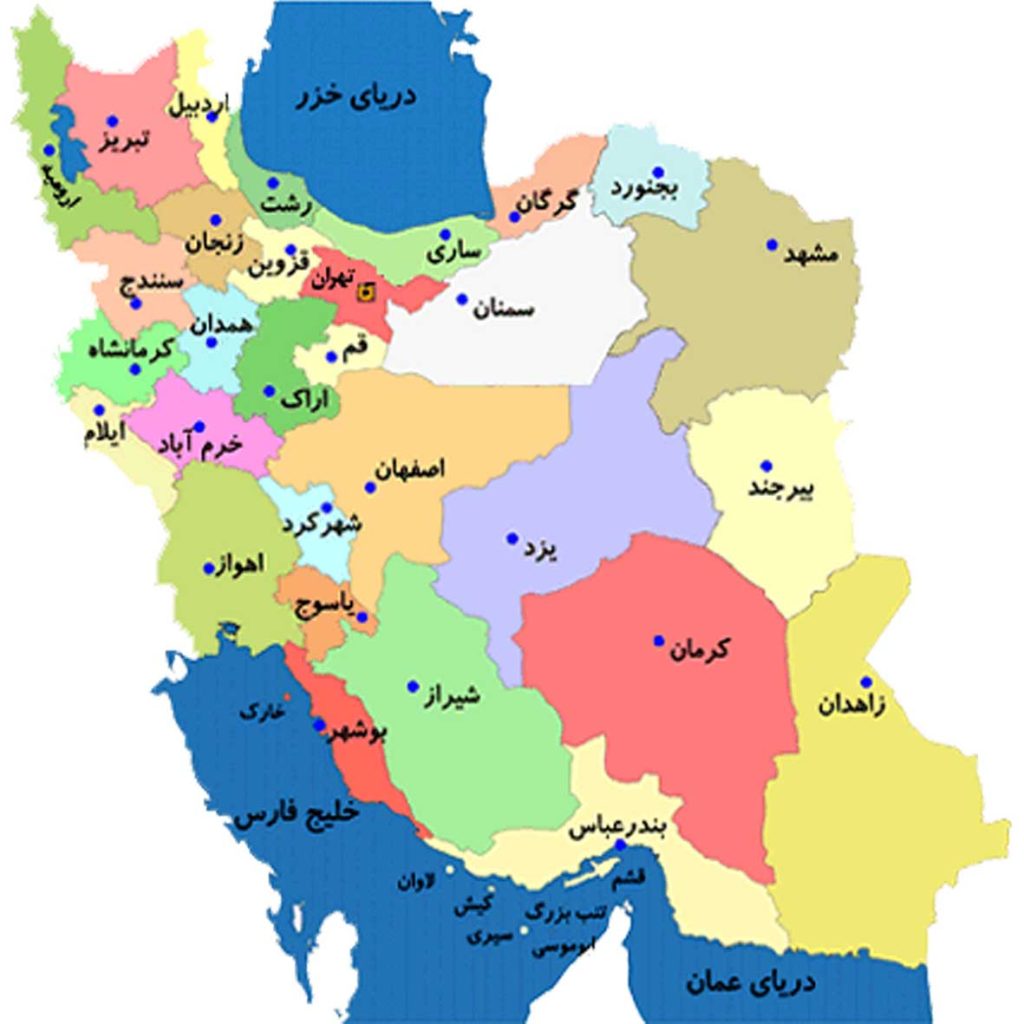
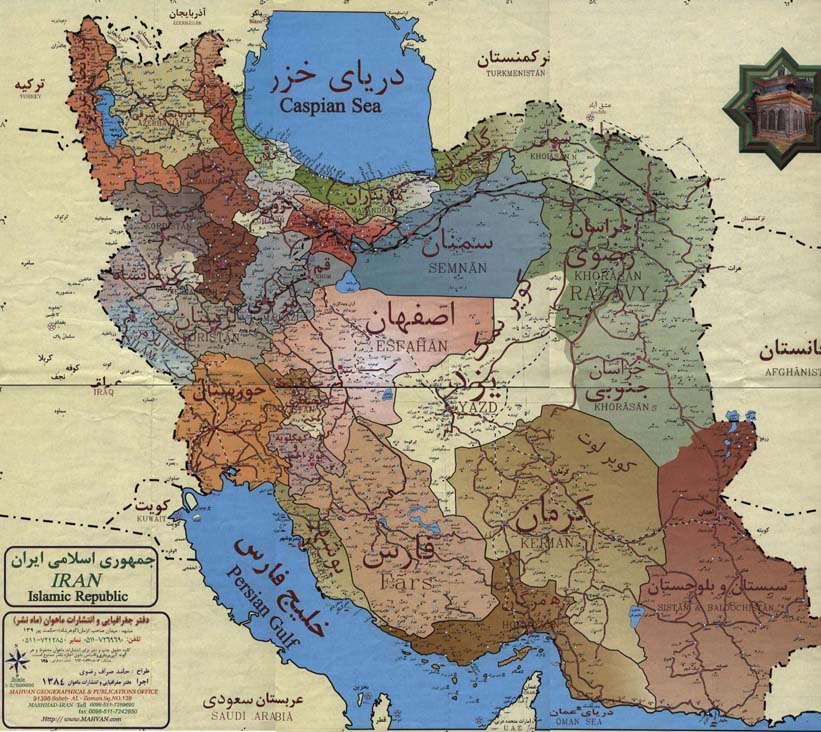
Iran is divided into 31 provinces, each with its own unique cities, culture, and history. Major cities include Tehran, the capital and largest city, known for its vibrant economy and cultural institutions. Other significant cities are Isfahan, famous for its stunning Islamic architecture; Shiraz, renowned for its poetry and gardens; and Tabriz, known for its historical bazaars and rich heritage. Each province showcases diverse landscapes, from the mountainous regions of Kurdistan to the coastal areas of Mazandaran along the Caspian Sea.